
How it works
ADVISORY –
STRATEGY
Managing new product transitions at a semiconductor manufacturer
A product launch at a semiconductor manufacturer risked failure. We built a structured transition framework that aligned forecasts, corrected planning bias, and prevented costly imbalances before they materialised.
TRAINING –
LEAN SIX SIGMA
Tailored training of UN humanitarian mission in Turkey
Rapid growth created process bottlenecks and delivery delays across a large humanitarian mission. An intensive, hands-on Lean Six Sigma training programme gave 25 senior managers the tools and discipline to diagnose problems and take ownership of solutions.
ADVISORY –
OPERATIONAL EXCELLENCE
Resolving sales effectiveness at global seed supplier
Product returns at 30% and dealer order inflation at 20% were eroding 15% of net income. We identified the systemic root cause and redesigned incentives, targets, and sales resource allocation to stabilise performance.
ADVISORY/TRAINING –
PROCESS MANAGEMENT
Strengthening Ethiopia's nutrition supply chain
Leakage, forecasting errors, and accountability gaps were undermining food delivery to acutely malnourished children across Ethiopia. We diagnosed the system and designed a training programme to fix it permanently and on a national scale.
ADVISORY – STRATEGY
Managing new product transitions at a semiconductor manufacturer
The Challenge
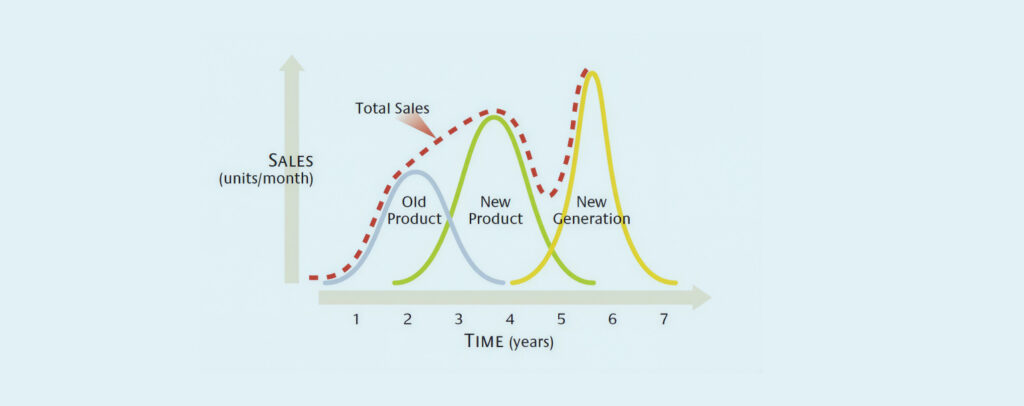
A semiconductor manufacturer sought to recover market share with a new processor launch. Overly optimistic supply planning forecasts (20% above baseline) contrasted with low estimates from regional sales organisations (35% below in Asia and 10% below in Europe), creating significant risk exposure. Combined with pricing actions and marketing campaigns that accelerated demand for the new product, this misalignment accumulated excess inventory for the old product, while creating supply shortages for the new product, elevating operating costs, forcing price discounts, and straining customer relationships.
Our work
We designed a structured transition framework that scored demand and supply risk, evaluated the interaction between old and new product volumes, and benchmarked against historical transitions. Before launch, the team revised sales expectations and adjusted inventory buffers, removing the pressure that would have triggered post-launch firefighting.
Lasting impact
Forecast bias was corrected before it became a capital problem. Marketing, sales, and operations aligned on shared assumptions. The organisation gained a repeatable process for managing future transitions, replacing reactive crisis response with structured pre-launch governance.
TRAINING – LEAN SIX SIGMA
Tailored training of UN humanitarian mission in Turkey
The Challenge
Over five years of rapid expansion, a UN humanitarian mission accumulated process complexity faster than management capability. Programmes fell behind schedule despite workloads that comparable missions handled without difficulty. The gap was not resources it was process discipline and analytical capability at the managerial level. Senior managers needed stronger skills to analyse workflows, remove bottlenecks, and regain control over delivery pace and quality.
Our work
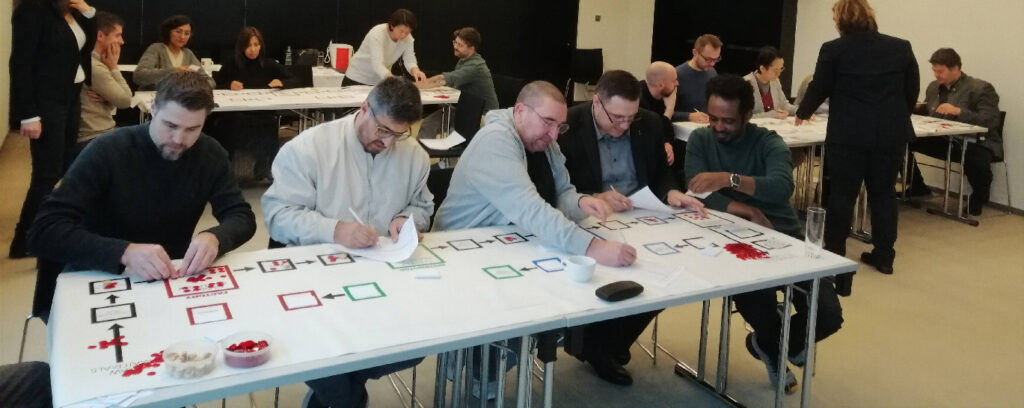
We designed and delivered a five-day intensive programme for 25 senior-level managers in Ankara. Working directly with live operational data, participants applied process mapping, bottleneck analysis, cycle-time measurement, and structured problem-solving to their own workflows. Coaching continued after the workshop as managers implemented improvement projects.
Lasting impact
The programme shifted the managerial perspective from reactive problem-solving to structured process ownership. Managers left with active improvement projects, defined performance metrics across cost, speed, quality, and service dimensions, and a shared analytical language. Beyond individual projects, the mission strengthened its internal capability to diagnose delays, balance workload, and sustain process improvements, independent of external support.

ADVISORY – OPERATIONAL EXCELLENCE
Resolving sales effectiveness at global seed supplier
The Challenge
At a global seed producer, salespeople were incentivised to reach ambitious sales targets and dealers systematically inflated orders by 20% to secure limited supply. Salespeople and dealer behaviours were not only locally rational but also encouraged. Combined, they created self-reinforcing dynamics that amplified volatility, pushing product returns to nearly 30% (twice the industry average) and eroding close to 15% of net income.
Our work
Using systems thinking, we mapped the feedback structure connecting incentives, sales resource deployment, and returns. The core insight was systemic: incentive design, sales targets, and allocation of scarce sales effort were tightly interdependent and had to be redesigned together. Piecemeal fixes to any single element, which were attempted by previous consultancies, were offset by other elements.
Lasting impact
By realigning incentives and sales resource allocation simultaneously, the organisation shifted from a fragile high-return, high-volatility regime toward a stable, lower-return performance equilibrium. Return rates moved toward industry benchmarks, the channel absorbed demand variation without structural deterioration, and the company experienced significant improvement in financial performance.
ADVISORY/TRAINING – PROCESS MANAGEMENT
Strengthening Ethiopia's nutrition supply chain
The Challenge
Ethiopia’s national supply chain for ready-to-use therapeutic food (RUTFs) should reach 1.2 million severely acute malnourished children across all regions in Ethiopia. However, product was lost to leakage and misuse, quantification was unreliable, and accountability across a fragmented logistics network was unclear. Weak local capability and inconsistent documentation meant problems recurred without resolution.
Our work
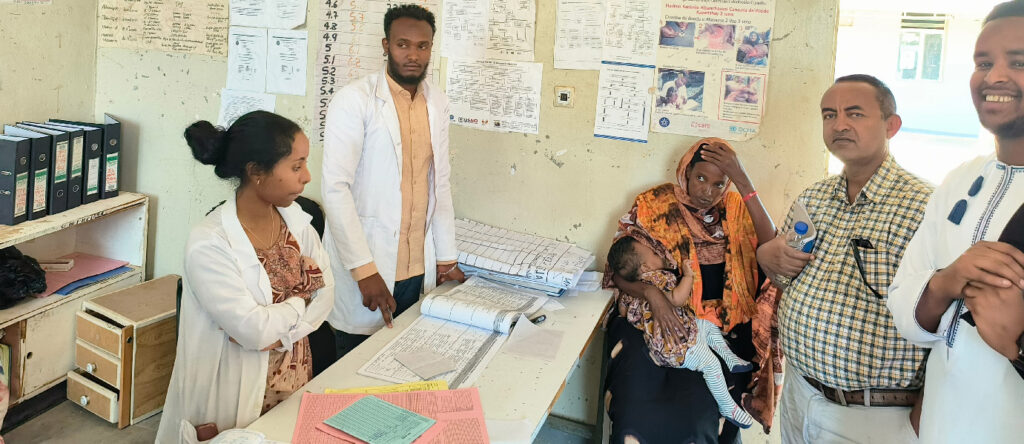
We conducted a six-phase diagnostic study to identify root causes of leakage, combining desk review, field visits, key-informant interviews, data analysis, and multi-source data consolidation. We then designed a 10-module training toolkit covering supply chain mapping, root cause analysis, forecasting, warehousing, transport, and delivered a train-the-trainer programme to more than 40 participants across 14 regions. Participants co-developed their own regional cascade plan for decentralised training rollout across all subnational levels.
Lasting impact
The UN agency and the Ministry of Health received a validated training toolkit, standardised practices, and regional rollout infrastructure they can operate and scale independently. The intervention converted a fragile, externally dependent system into one with replicable internal capacity.